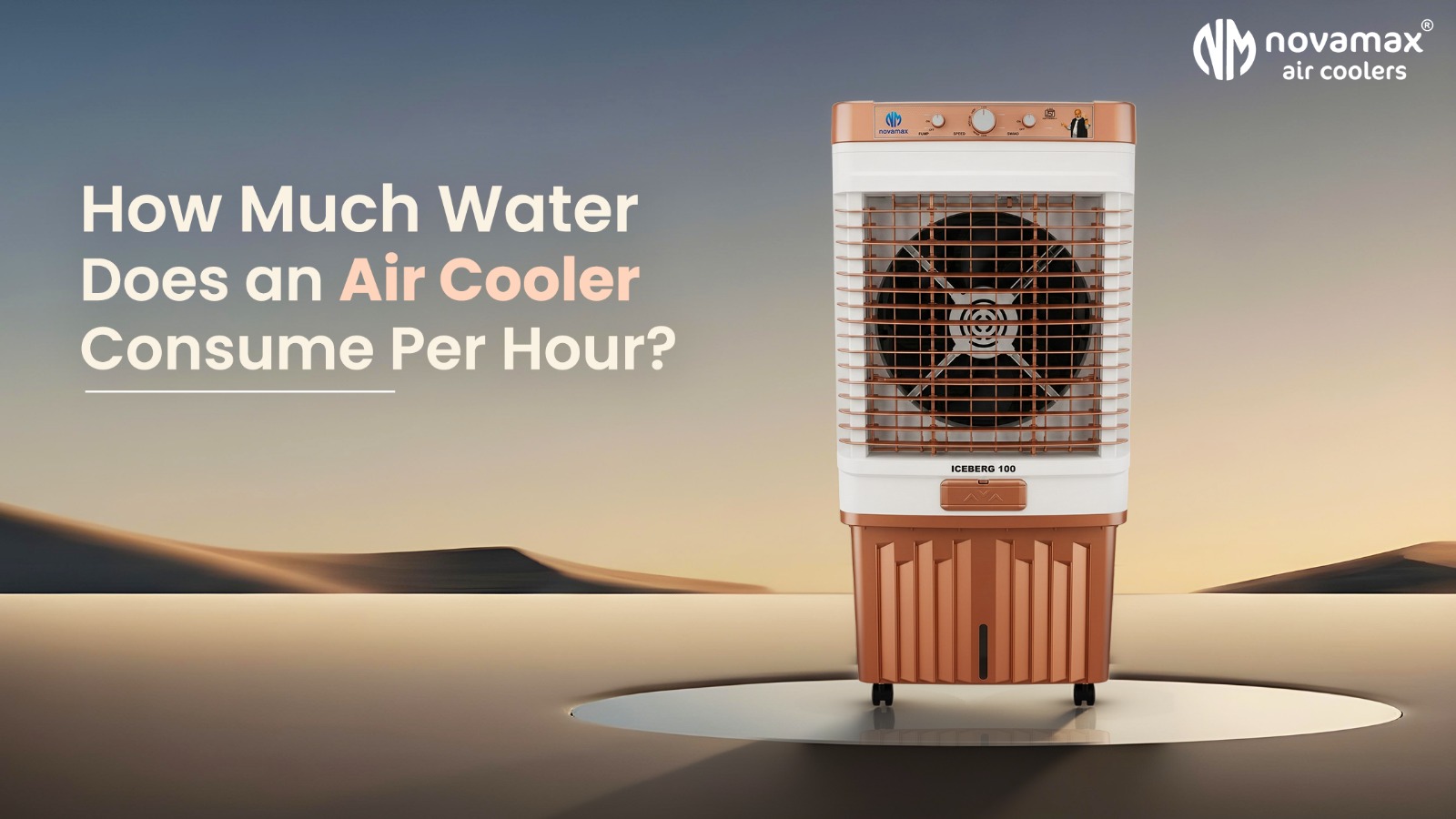
How Much Water Does an Air Cooler Consume Per Hour?
When the temperature soars, air coolers for home become a savior, offering a refreshing, eco-friendly way to beat the heat. But one question that often lingers in the minds of users is: How much water does an air cooler consume per hour? If you're considering an air cooler for your home, this is a crucial question. After all, while air coolers are known for their efficiency and lower power consumption compared to air conditioners, the amount of water they use can influence both your water bills and their overall efficiency.
In this blog post, we’ll dive deep into the topic of air cooler water usage, exploring factors that affect cooler water consumption, and providing valuable tips on how to maximize the efficiency of your air cooler.
Why Does Water Consumption Matter for Air Coolers?
Before we get into the specifics, let’s understand why air cooler water usage matters. Air coolers, unlike air conditioners, use water to cool the air through the process of evaporation. This means that their water consumption plays a crucial role in determining how well the cooler functions, how often you need to refill it, and how cost-effective it is in the long run.
For homeowners looking for an affordable, energy-efficient, and eco-friendly cooling solution, knowing how much water your cooler consumes per hour can help you manage your usage better. Let’s break down everything you need to know.
Factors That Impact Air Cooler Water Consumption
The cooler water consumption rate varies depending on several key factors. Here's a closer look at the factors that influence how much water in cooler is used:
1. Size and Capacity of the Air Cooler
The size of your air cooler plays a significant role in its water usage. Larger air coolers designed for bigger rooms or outdoor spaces tend to consume more water compared to smaller, room-sized units.
Example: A medium-sized air cooler typically consumes around 1-2 liters of water per hour, while a larger industrial cooler can use up to 10 liters per hour.
Tip: Choose an air cooler that matches the size of your room to optimize both water and energy efficiency.
2. Environmental Conditions
The climate and humidity levels in your area will significantly impact the water consumption of your air cooler. In dry and hot climates, air coolers need to evaporate more water to cool the air, which means they will consume more water.
In contrast, in humid areas, air coolers will use less water as the air already has a higher moisture content.
Pro Tip: Keep an eye on local weather conditions to adjust your air cooler's settings accordingly.
3. Cooling Mode and Fan Speed
Most air coolers allow you to adjust fan speeds and cooling modes. Higher fan speeds and cooling intensities will result in faster evaporation, increasing water usage.
Example: Running your cooler on maximum fan speed can increase water consumption by up to 30%. For less intense cooling, opt for the lowest fan speed or an eco mode.
4. Usage Duration
The longer your air cooler runs, the more water it will consume. Continuous operation over several hours, especially during peak heat, will lead to more frequent refills.
Insight: Try limiting your cooler's operation to a few hours at a time to reduce unnecessary water consumption.
How Much Water Does an Air Cooler Consume Per Hour?
On average, air cooler water usage ranges between 1 to 2 liters per hour for home-sized coolers. However, this can vary depending on the cooler’s size, environmental conditions, and operating settings. Here’s a breakdown of typical cooler water consumption:
Small Room Coolers (3-5 liters capacity): Typically use around 1 to 2 liters per hour.
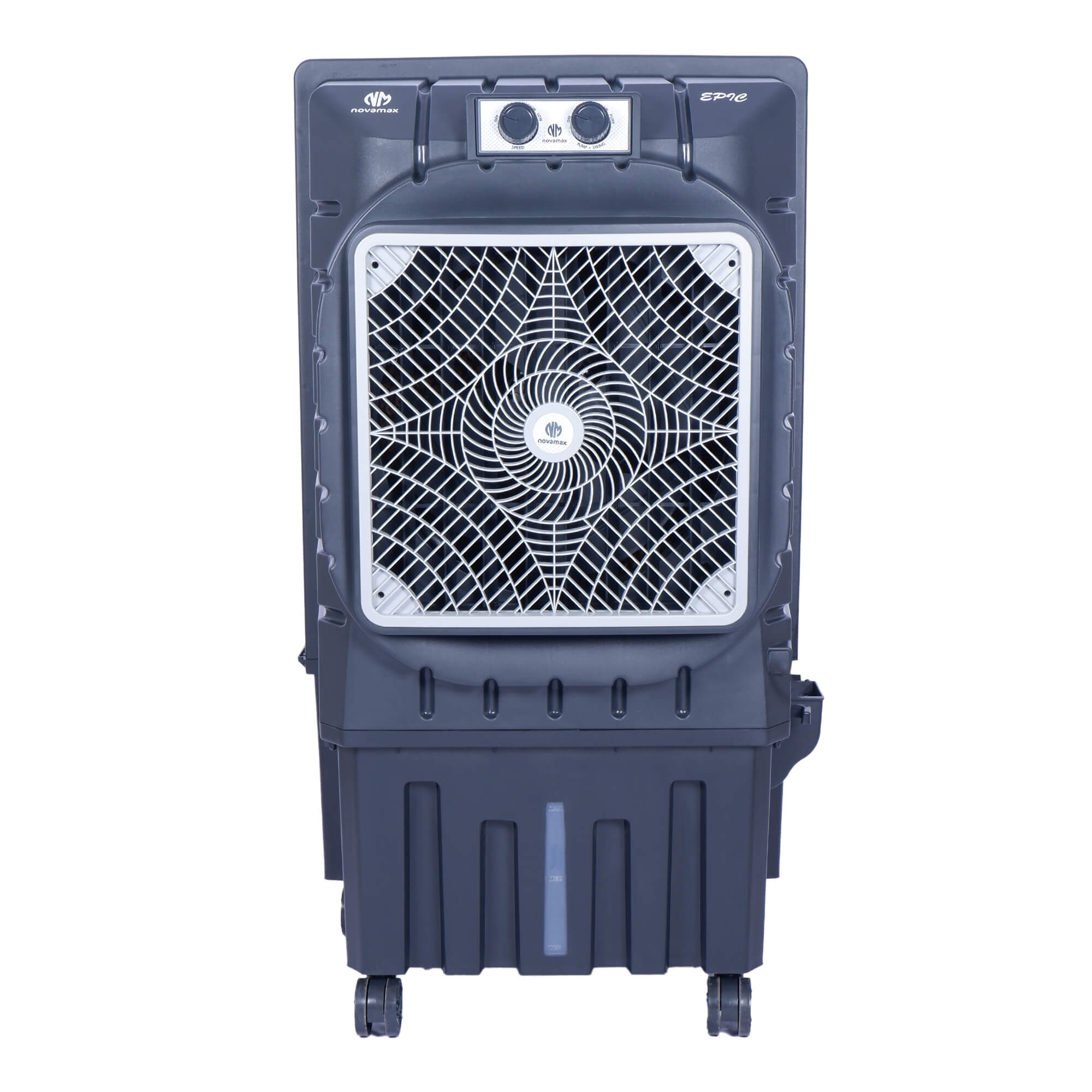
Medium-Sized Coolers (10-15 liters capacity): These may consume around 2 to 4 liters per hour.
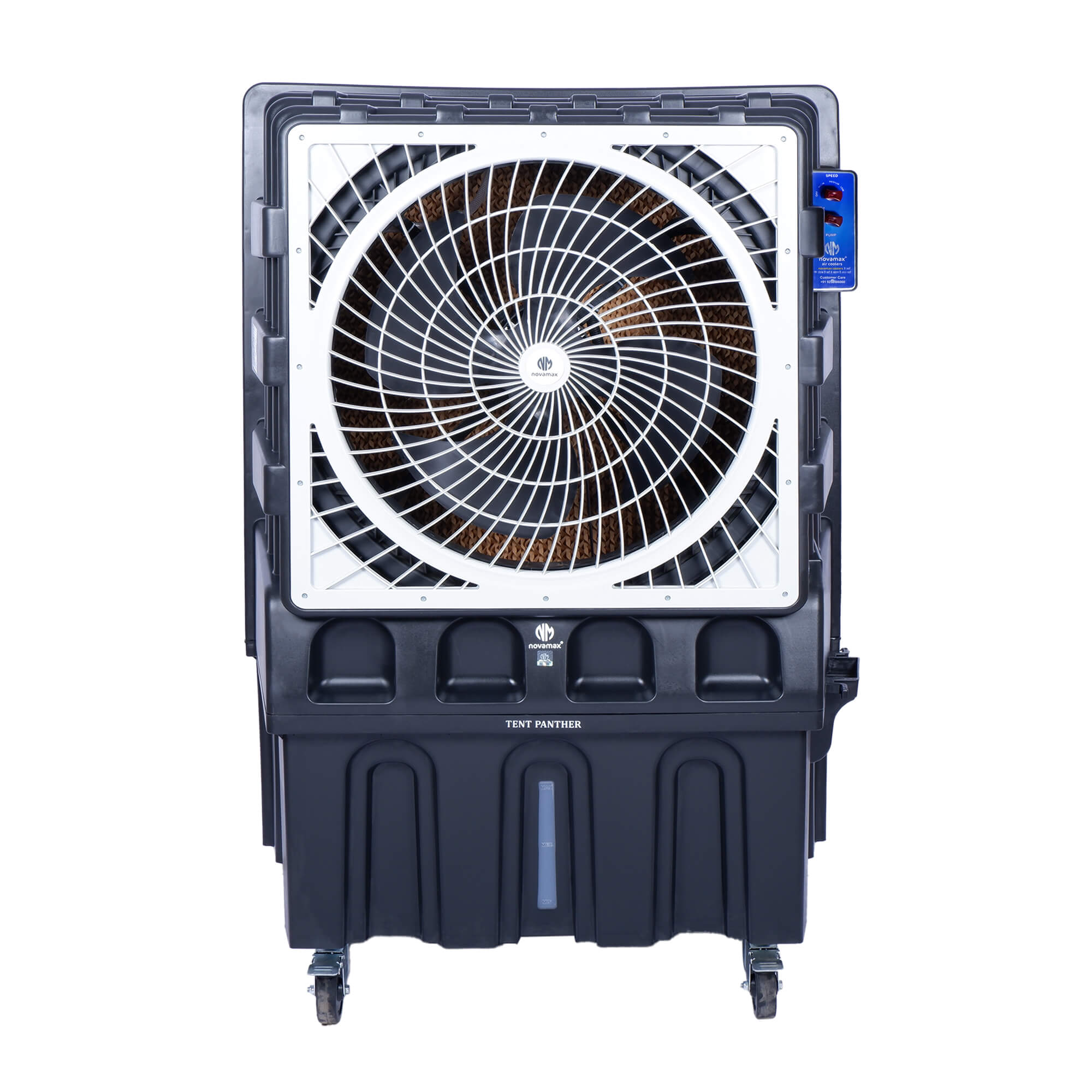
Large Industrial Coolers (20 liters or more): Large coolers in bigger spaces may use up to 5-10 liters per hour.
If you're considering purchasing an air cooler for home, be sure to check the capacity of the water tank and estimate how long you intend to run the cooler each day to predict water usage.
Maximizing Water Efficiency: How to Save on Water Usage
If you're looking to reduce cooler water consumption and make the most out of your air cooler, here are some practical tips:
1. Optimize Fan Speed and Cooling Modes
Use lower fan speeds and cooling modes during the early morning or late evening when the temperature is cooler. This can help cut down on water consumption while still keeping the air fresh and cool.
2. Adjust Usage According to Climate
If you live in a humid climate, your cooler will use less water. If the air is drier, it will consume more. Be mindful of this when deciding how long to run your air cooler and consider investing in a more efficient unit that adjusts water flow according to the weather.
3. Choose Eco-Friendly Models
Look for air coolers designed with energy-saving features and optimized water usage. Nova Max offers eco-friendly coolers that are engineered to provide superior cooling while minimizing both energy and water consumption. You can explore these models for a sustainable cooling experience on our eco-friendly cooling guide.
4. Use Clean Water and Regularly Clean the Pads
Using clean water and ensuring regular maintenance of the air cooler’s water pads can improve the cooler water consumption efficiency. Clogged pads reduce evaporation rates, causing the cooler to work harder and consume more water.
Real-Life Example: Water Usage of an Air Cooler for Home
Let’s take a practical example to help you understand how air cooler water usage works in real life. Imagine a family using a 15-liter air cooler in a 250 sq. ft. living room in a dry region.
Water Consumption per Hour: 2 liters
Total Water Usage per Day: 2 liters x 8 hours = 16 liters
Monthly Water Usage: 16 liters x 30 days = 480 liters
In comparison, an air conditioner would consume significantly more water, not to mention energy. Therefore, air coolers for home offer a much more sustainable and cost-effective option for cooling your space.
Conclusion: Get the Most Out of Your Air Cooler
Now that you understand how much water an air cooler consumes per hour and how to optimize its usage, you're well-equipped to make the best choice for your home. With a little attention to your cooler water consumption, you can enjoy a cool and refreshing atmosphere without the environmental or financial burden.
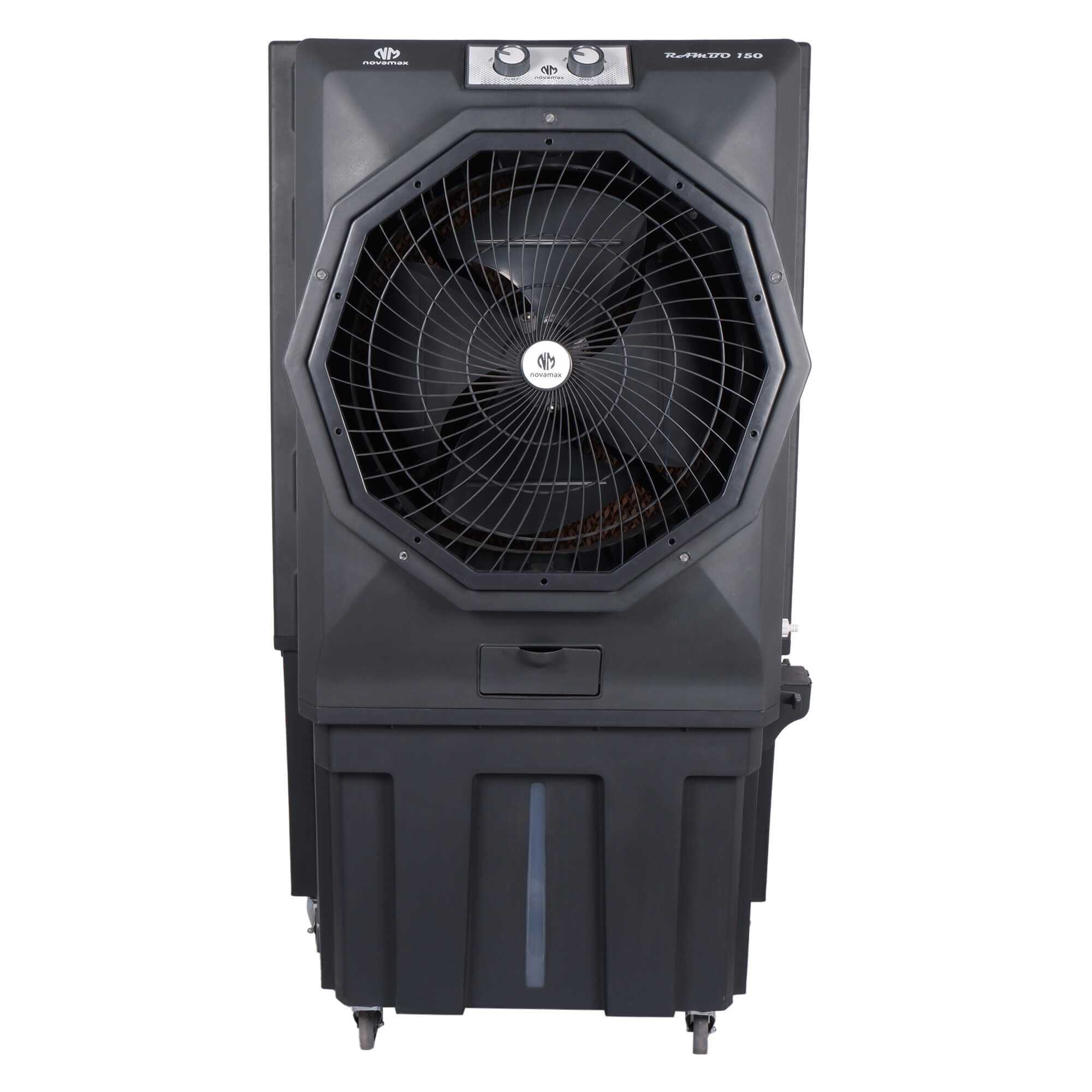
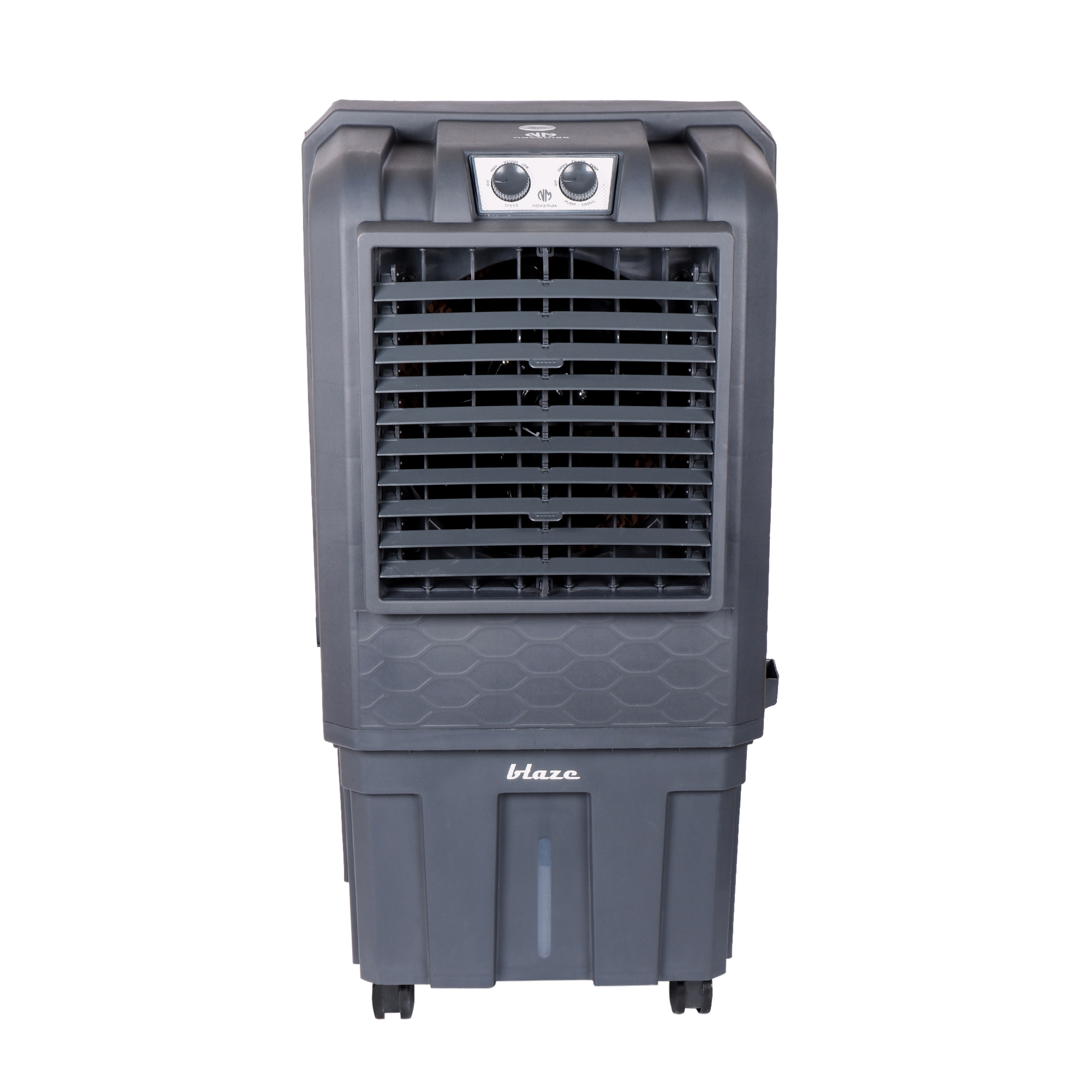
If you're ready to invest in an eco-friendly air cooler for home, check out the range of products at Nova Max, where we combine energy efficiency and superior cooling performance.
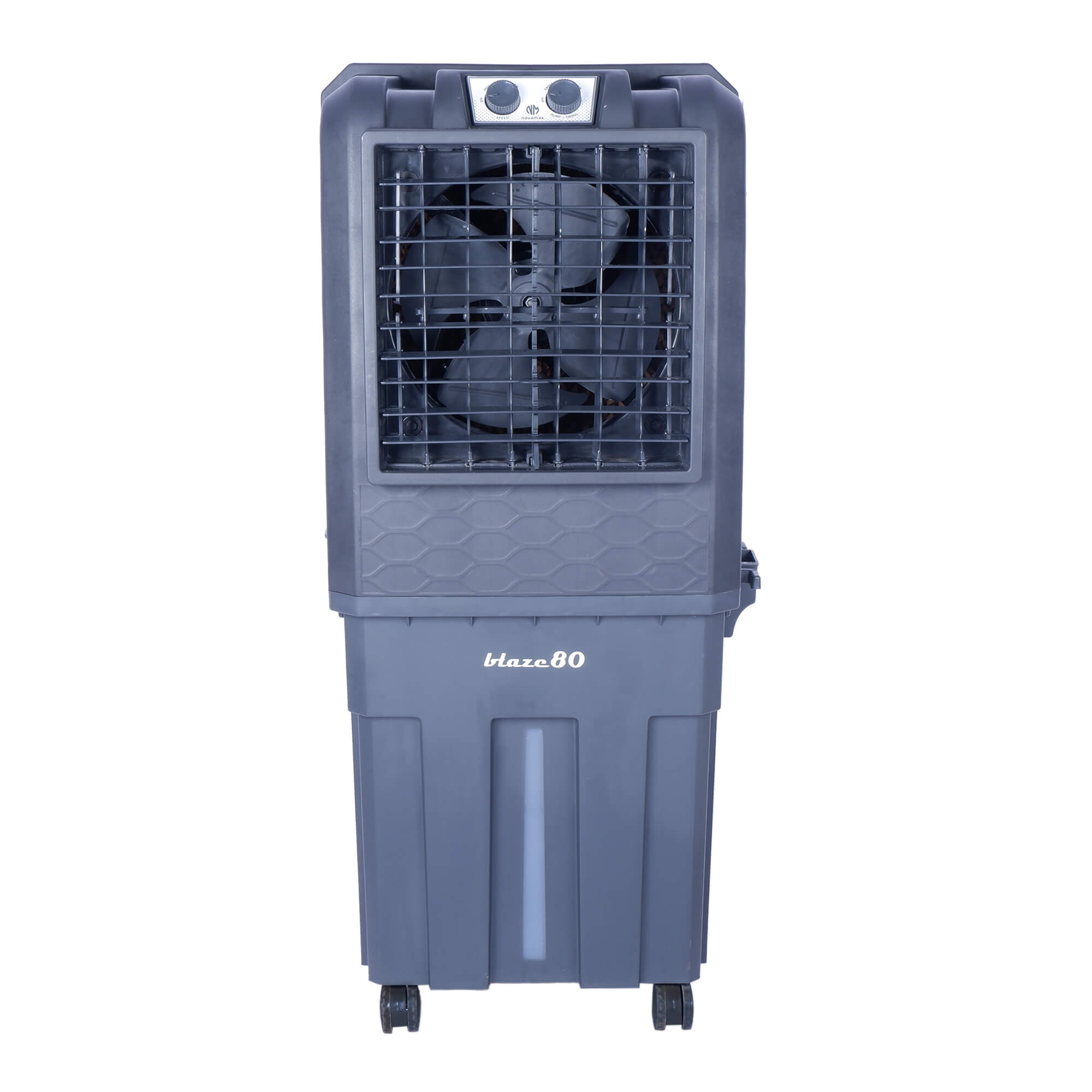
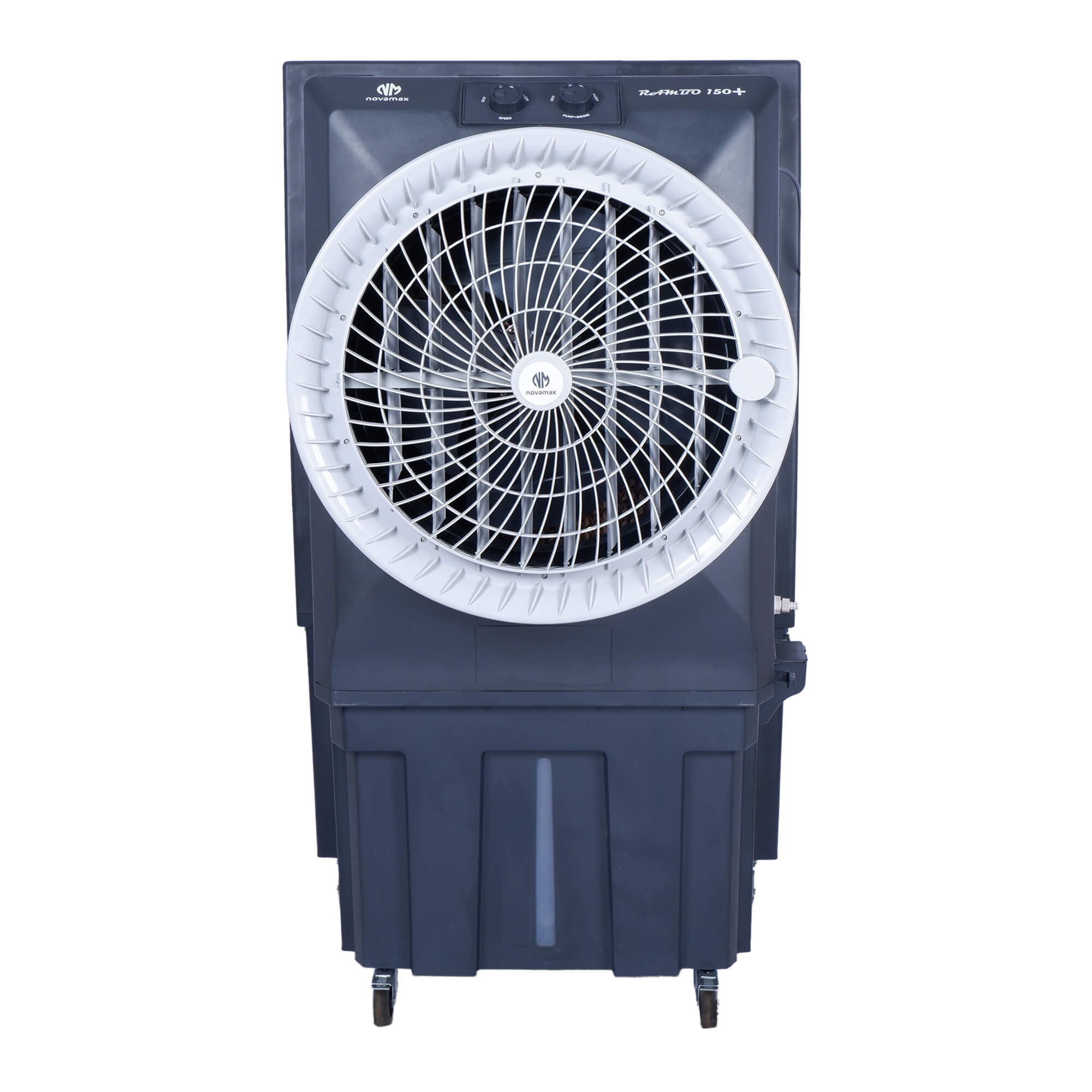
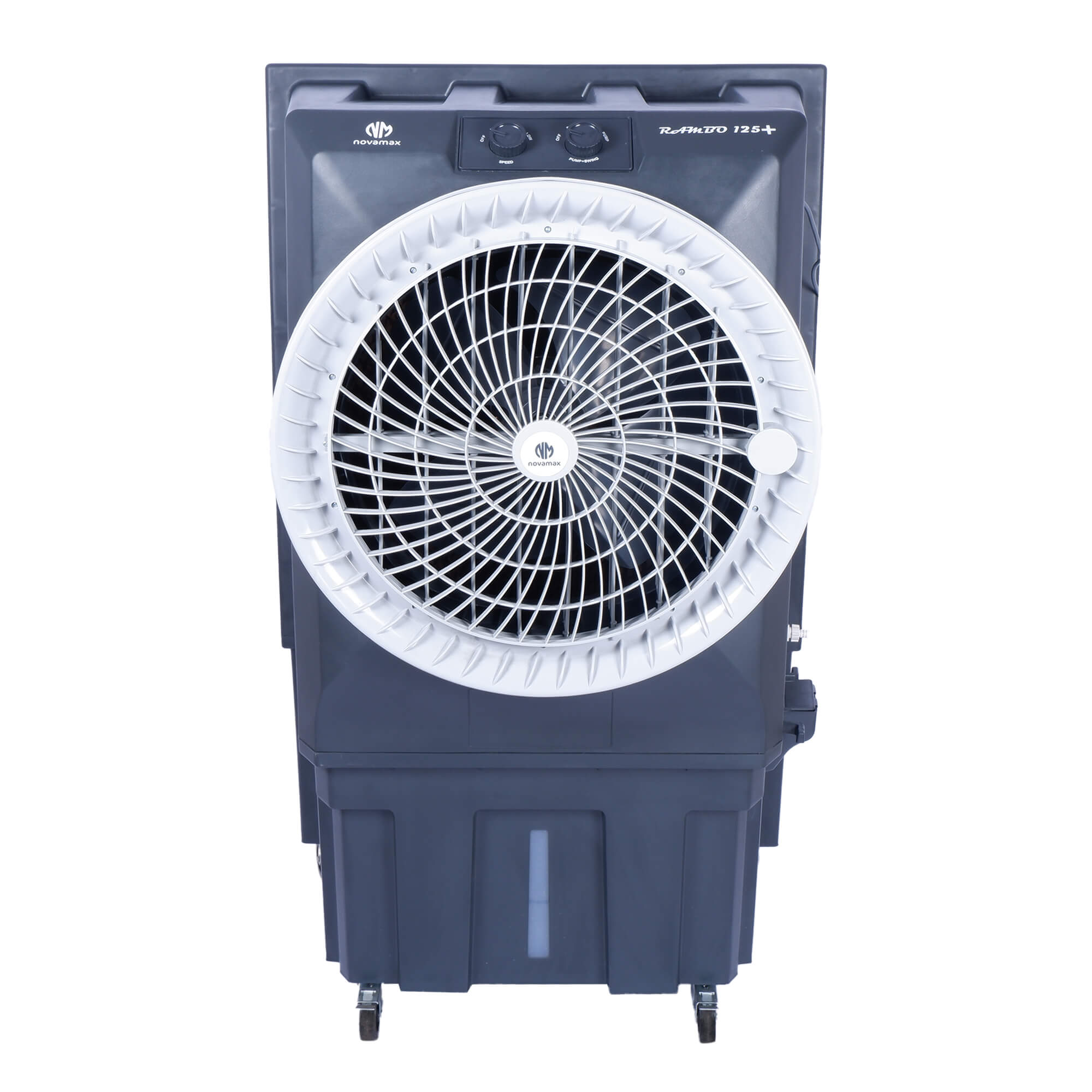
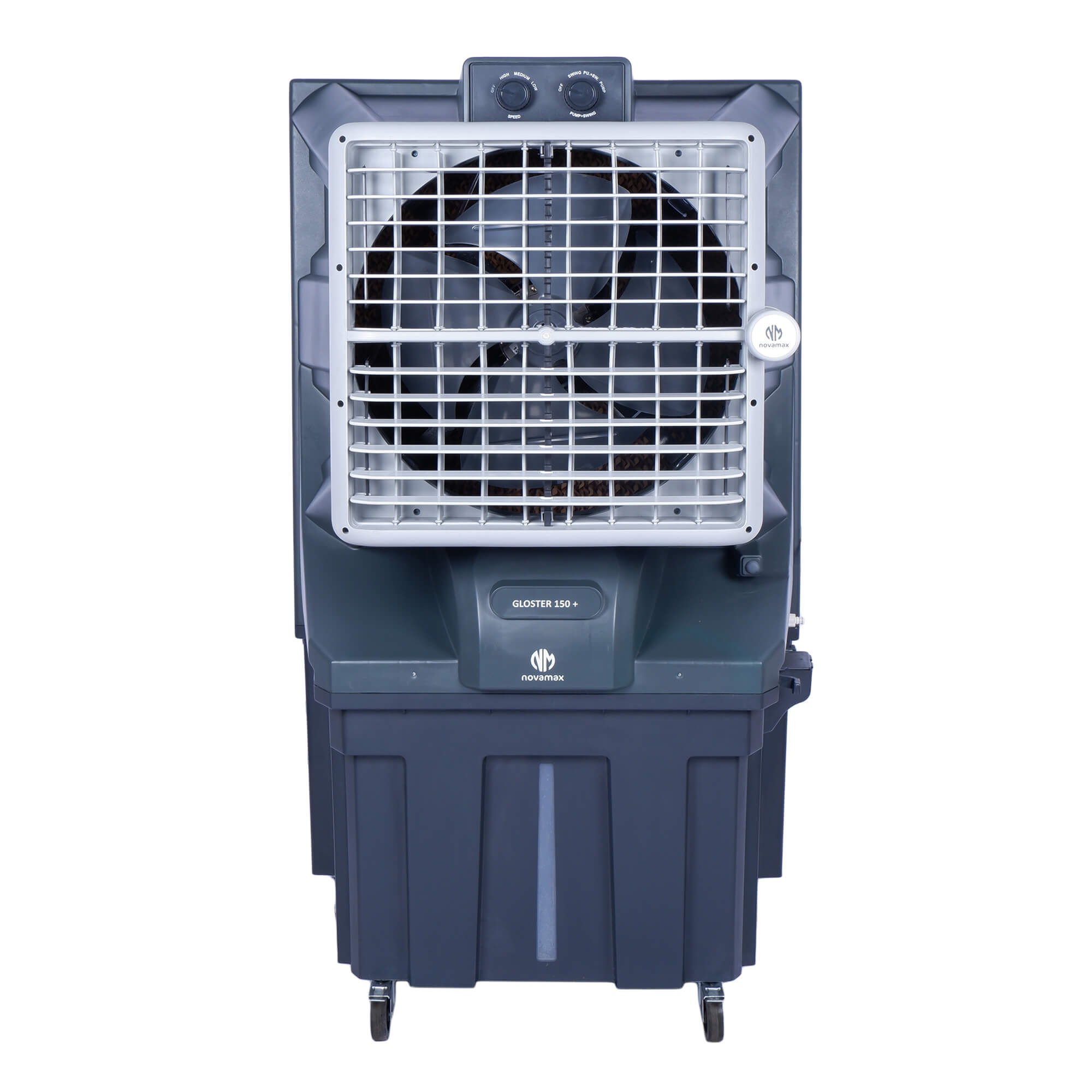
Explore Our Products Range

Our Keywords
Contact Info
- Address: B-11, Site-B, Surajpur, Industrial Area, Greater Noida, Uttar Pradesh – 201306
- Customer Care: +91-9258586060, service@novamaxindia.com
- Business Related Email: info@novamaxindia.com