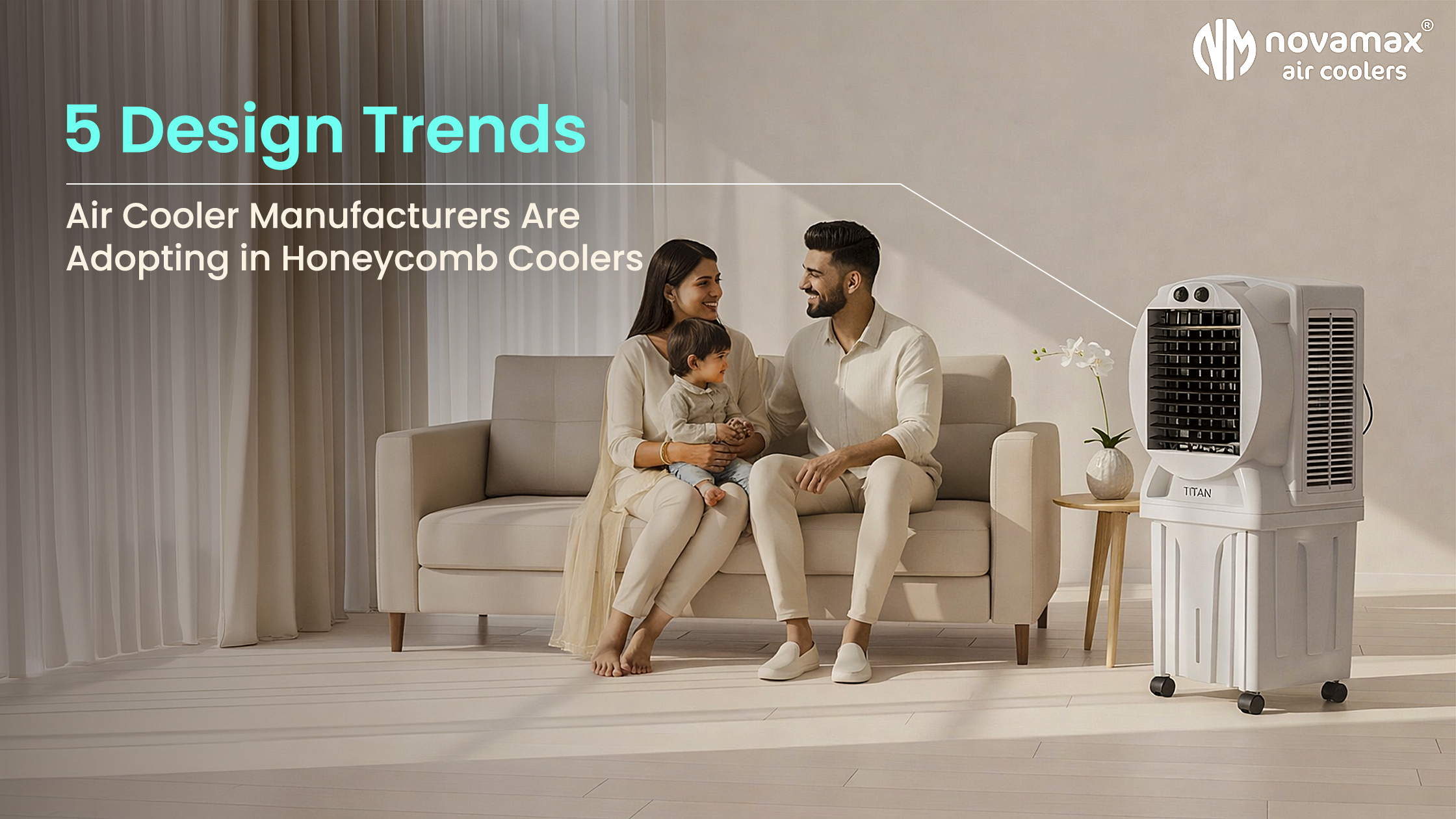
5 Design Trends Air Cooler Manufacturers Are Adopting in Honeycomb Coolers
For a long time, air coolers in India followed a predictable pattern—boxy bodies, loud fans, visible grills, and designs that felt more functional than thoughtful. Cooling mattered, looks didn’t. That era is quietly ending.
Today, Air Cooler Manufacturers are no longer designing products only for survival summers. They’re designing for living rooms, balconies, bedrooms, cafés, showrooms, and premium homes. And honeycomb coolers are at the center of this shift.
The reason is simple: honeycomb cooling technology gave manufacturers the freedom to rethink everything—from airflow to proportions to aesthetics. Once cooling efficiency stabilized, design became the next competitive battleground.
Across factories, product development labs, dealer feedback sessions, and consumer studies, a few design trends are clearly shaping the future. These trends aren’t copied from global markets—they’re built specifically around Indian usage, Indian homes, and Indian summers.
Here are the 5 design trends Air Cooler Manufacturers are actively adopting in honeycomb coolers, and why they matter more than most buyers realize.
1. Taller, Slimmer Profiles That Occupy Less Visual Space
One of the most noticeable shifts in recent years is the move away from wide, bulky coolers to taller and slimmer silhouettes.
Earlier designs focused on horizontal airflow. That meant wider cabinets, more floor space usage, and a heavy visual presence. Honeycomb pads changed that equation.
Because honeycomb cooling pads allow:
More efficient evaporation
Better airflow control
Uniform cooling across surface area
Air Cooler Manufacturers now design vertically stacked airflow systems. The result is a cooler that:
Takes up less floor space
Fits better into modern Indian homes
Feels lighter and more contemporary
This trend is especially visible among Best Air Cooler Manufacturers targeting urban homes, apartments, and premium residences. A slim vertical cooler feels intentional, not temporary.
Design isn’t just about size here—it’s about belonging in a room.
2. Hidden Cooling Components and Cleaner Front Faces
Earlier air coolers proudly displayed everything—cooling pads, grills, water lines, screws, and mechanical parts. Nothing was hidden.
Modern honeycomb coolers are doing the opposite.
A growing number of Air Cooler Manufacturers in India are focusing on clean front faces:
Minimal grills
Concealed honeycomb pads
Flush panels
Seamless edges
This design approach borrows from appliance aesthetics rather than industrial equipment. The goal is simple: make the cooler feel like a part of the home, not a compromise.
Honeycomb pads make this possible because they can be:
Precisely cut
Uniformly mounted
Hidden behind designed airflow channels
The cooling performance remains strong, but the visual noise disappears.
This is one of the biggest reasons honeycomb coolers are increasingly acceptable in living rooms and bedrooms—spaces where older designs were rarely welcomed.
3. Material Finishes That Feel Premium, Not Plastic
Plastic is still widely used in air coolers, but the way it’s used has changed dramatically.
Leading Air Cooler Manufacturers are moving toward:
Matte finishes instead of glossy
Textured panels instead of flat surfaces
Neutral colors instead of loud whites or blues
Honeycomb coolers, being positioned as long-term solutions, demand materials that age well visually. Scratches, dust marks, and discoloration are far less forgiving on shiny surfaces.
That’s why Best Air Cooler Manufacturers now treat surface finish as part of cooling perception. A cooler that looks premium is trusted more—even before it’s switched on.
Design teams understand that in Indian homes, appliances stay visible year-round. Honeycomb coolers aren’t stored away after summer; they remain part of the space.
4. Integrated Controls That Don’t Interrupt Design Flow
Controls used to be an afterthought—knobs placed wherever wiring was convenient.
That’s changing fast.
Today’s honeycomb coolers feature:
Top-mounted control panels
Flush-fit switches
Symmetrical layouts
Subtle digital indicators
Air Cooler Manufacturers in India are actively redesigning control placement so it doesn’t break the visual flow of the product.
The reason honeycomb coolers allow this shift is structural stability. Since honeycomb pads don’t sag or deform, internal layouts can be optimized more efficiently, freeing up space for smarter control positioning.
This design trend may seem small, but it dramatically improves user experience. People interact with controls daily. When they feel intuitive and look refined, the product feels well-engineered.
5. Design That Supports Quiet Performance
Noise has always been one of the biggest complaints associated with air coolers. Interestingly, design plays a major role in solving it.
Modern honeycomb coolers are being designed with:
Better airflow channels
Reduced turbulence points
Balanced fan placement
Sound-absorbing internal structures
These aren’t visible changes—but they are design decisions.
Experienced Air Cooler Manufacturers understand that noise isn’t just about motor quality. It’s about how air moves through the cabinet.
Honeycomb cooling pads slow airflow just enough to reduce harsh air movement, allowing designers to create quieter cooling paths. The cabinet shape, vent angle, and internal spacing all work together.
As a result, newer honeycomb coolers don’t just cool better—they sound calmer. And in homes where coolers run for hours, that matters more than raw airflow numbers.
Why Honeycomb Cooling Changed Design Thinking Entirely
Before honeycomb pads became mainstream, design innovation was limited. Cooling performance depended heavily on pad condition and frequent replacement. That made long-term design planning difficult.
Honeycomb technology brought predictability.
Once cooling became consistent:
Designers could experiment
Engineers could refine airflow
Brands could commit to premium aesthetics
This is why design evolution in air coolers accelerated only after honeycomb cooling became standard across Air Cooler Manufacturers in India.
What Buyers Should Look for Beyond Looks
While design has improved, it still needs to be backed by performance.
When evaluating honeycomb coolers, check:
How airflow exits the cabinet
Whether pads are easily accessible for cleaning
If controls feel solid and responsive
How the cooler blends into the room visually
The best designs never shout. They quietly do their job.
FAQs: Design Trends in Honeycomb Coolers
1. Are modern honeycomb coolers really quieter?
Yes. Improved airflow design and honeycomb pad structure significantly reduce operational noise.
2. Why are air coolers becoming taller?
Vertical designs improve airflow efficiency while reducing floor space usage.
3. Do design changes affect cooling performance?
When done correctly, design upgrades improve airflow and comfort without reducing cooling.
4. Are premium finishes just cosmetic?
No. Better finishes resist dust, scratches, and discoloration, improving long-term appearance.
5. Are slim coolers suitable for Indian summers?
Yes, when designed properly by experienced Air Cooler Manufacturers, slim profiles cool just as effectively.
6. Do all manufacturers follow these trends?
Mostly the Best Air Cooler Manufacturers lead these changes. Smaller brands often follow later.
7. Is honeycomb cooling necessary for modern designs?
Practically yes. Honeycomb pads provide the structural and performance consistency modern designs require.
Conclusion: Where Design and Performance Finally Meet
Design in air coolers is no longer decoration—it’s engineering in disguise.
The latest generation of honeycomb coolers reflects a shift in mindset among Air Cooler Manufacturers. Cooling is expected. What differentiates brands now is how thoughtfully that cooling is delivered, housed, and experienced.
This is where Novamax Air Cooler India fits naturally into the conversation.
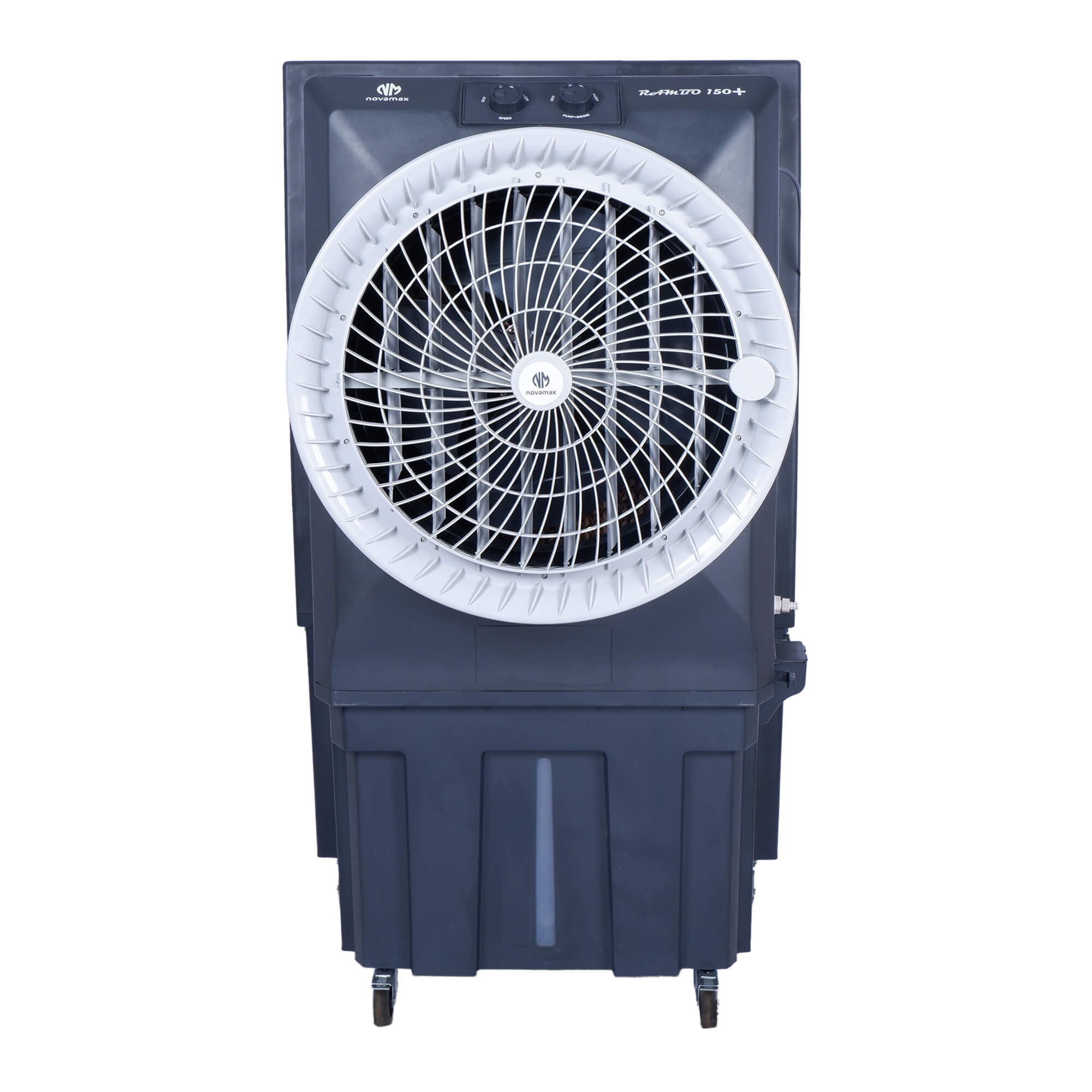
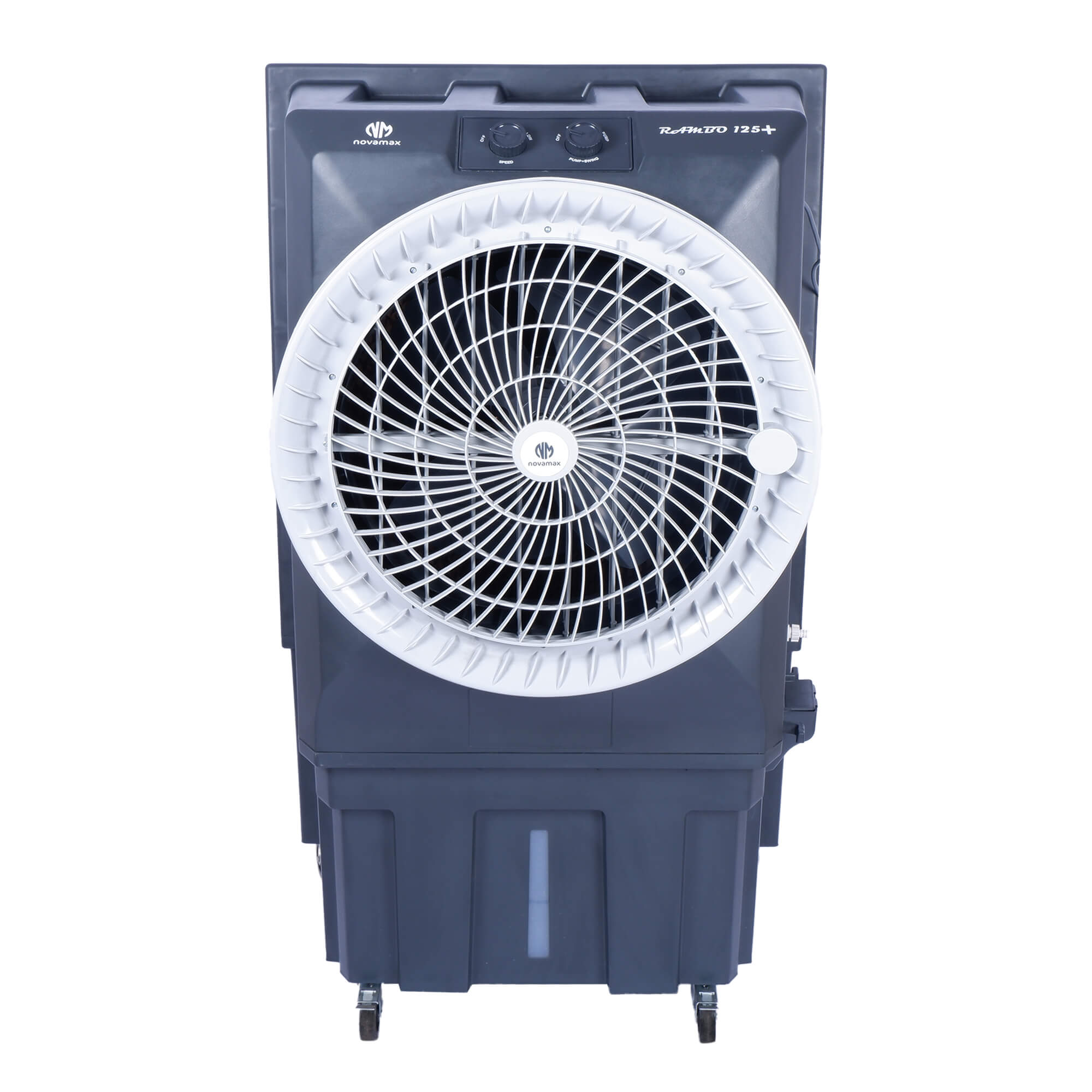
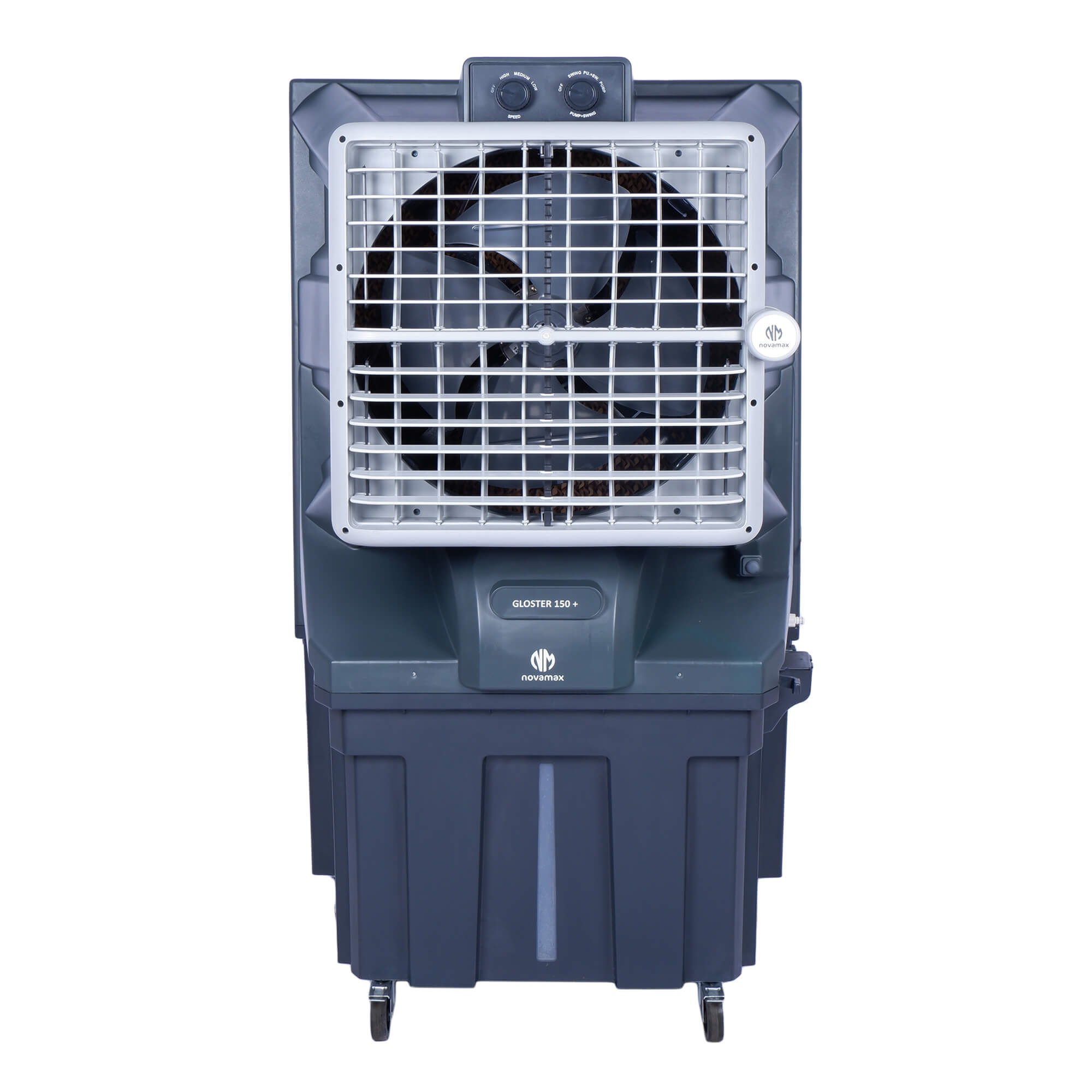
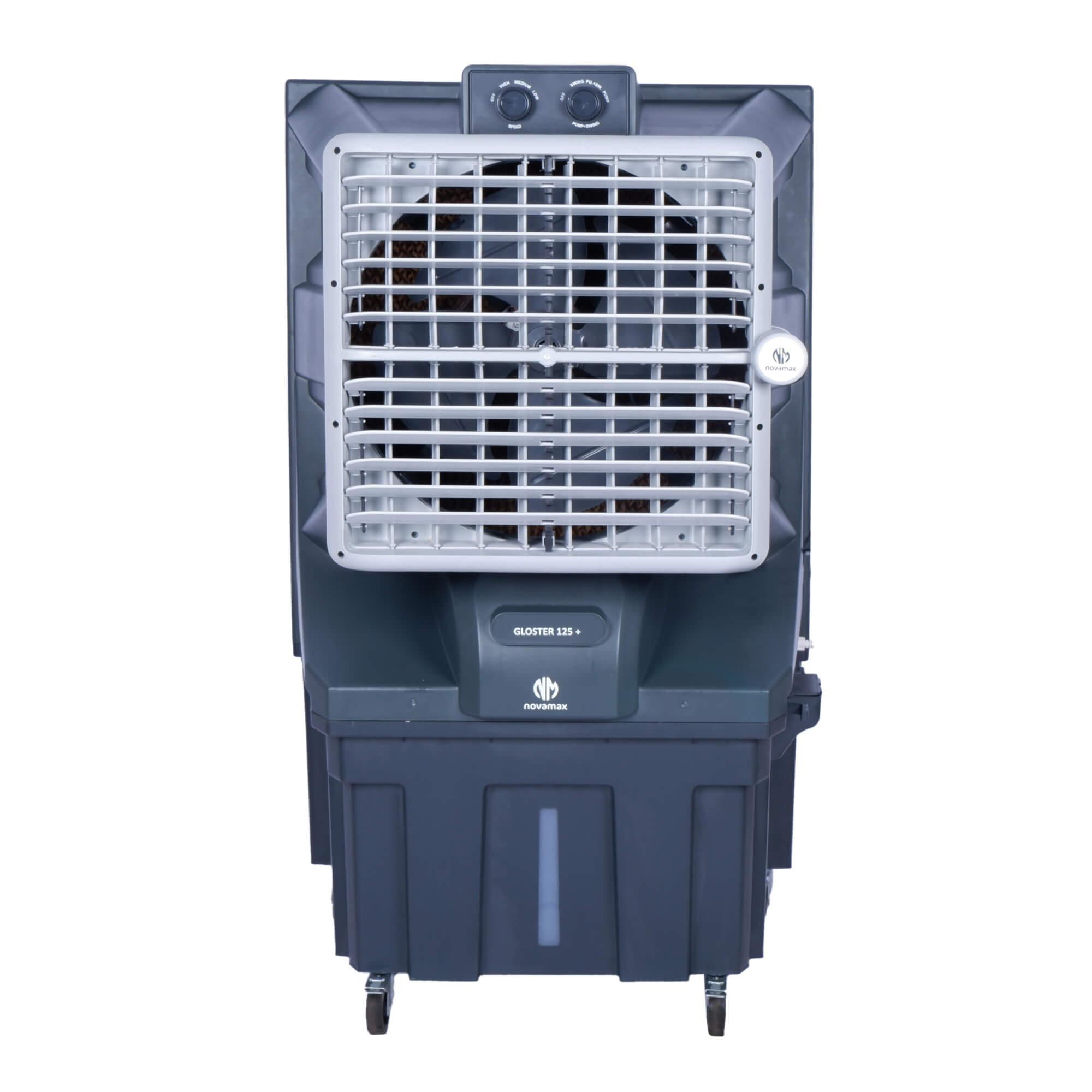
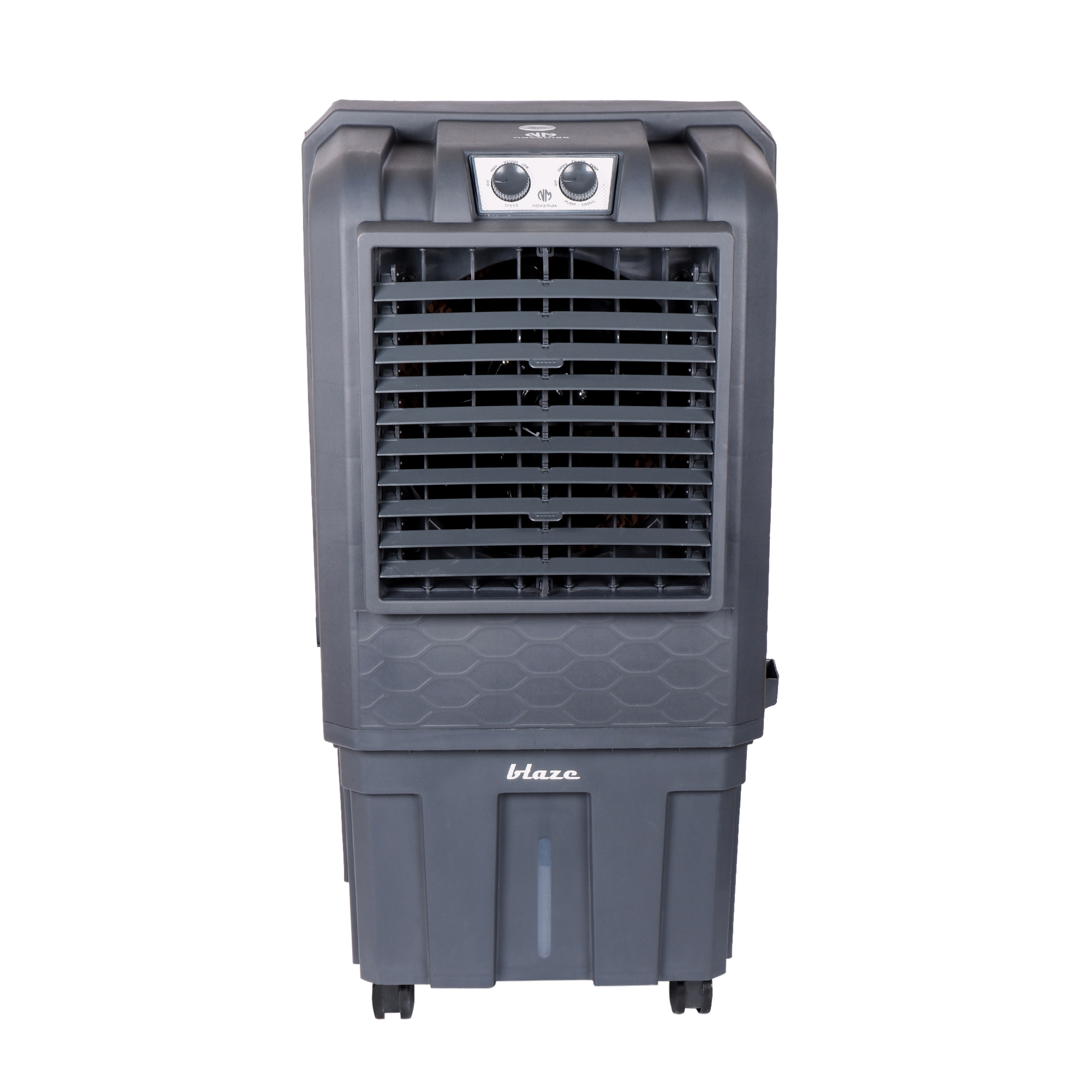
As a forward-thinking Air Cooler Manufacturer in India, Novamax focuses on balancing strong honeycomb cooling performance with contemporary design sensibilities that suit Indian homes. Clean silhouettes, efficient airflow paths, durable materials, and well-integrated controls define their approach.
Among Best Air Cooler Manufacturers, Novamax Air Cooler India continues to evolve with the market—designing products that don’t just survive Indian summers, but live comfortably within Indian spaces.
If you’re choosing a cooler or aligning with reliable Air Cooler Manufacturers in India, look beyond airflow numbers. The real progress lies in how cooling, comfort, and design come together.
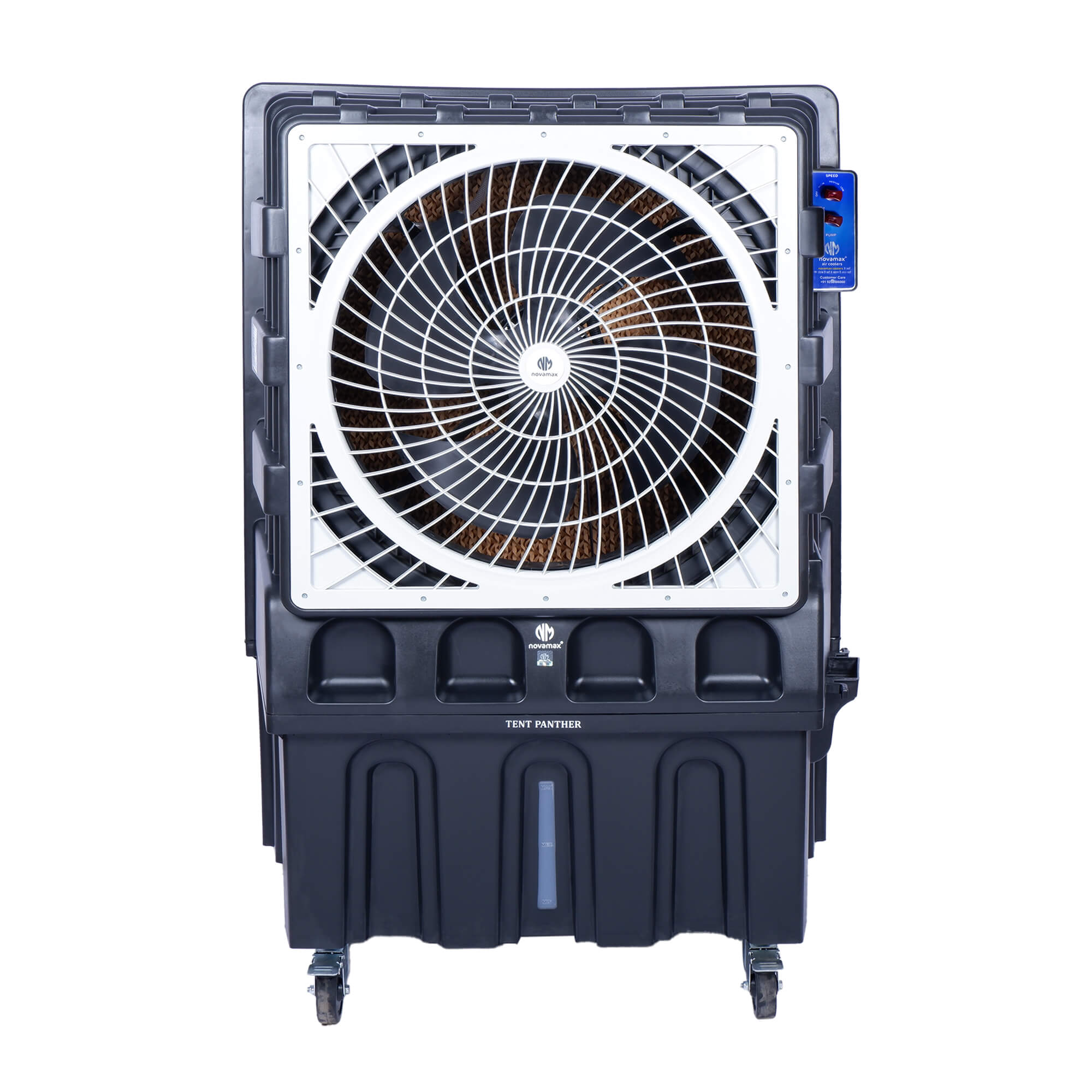
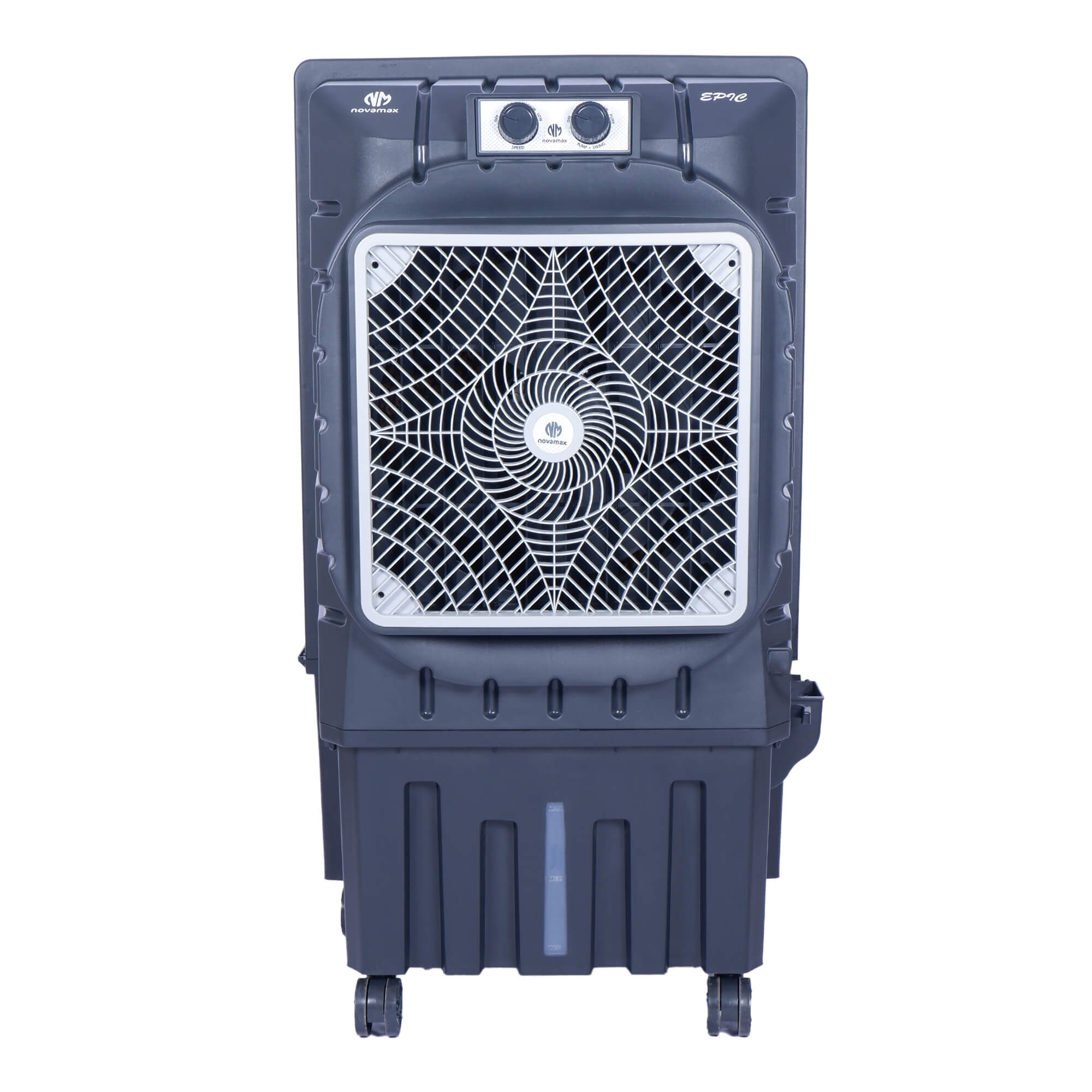
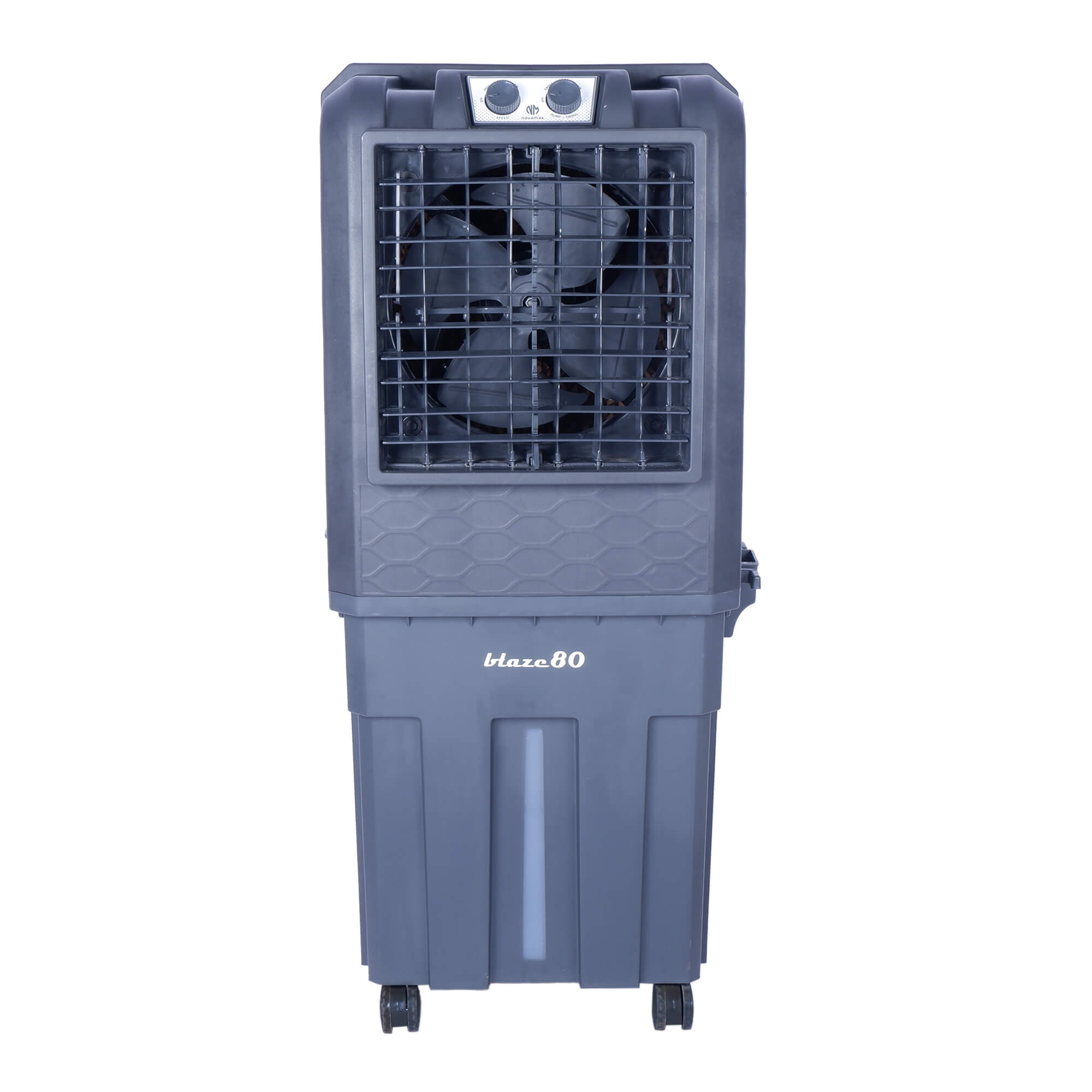
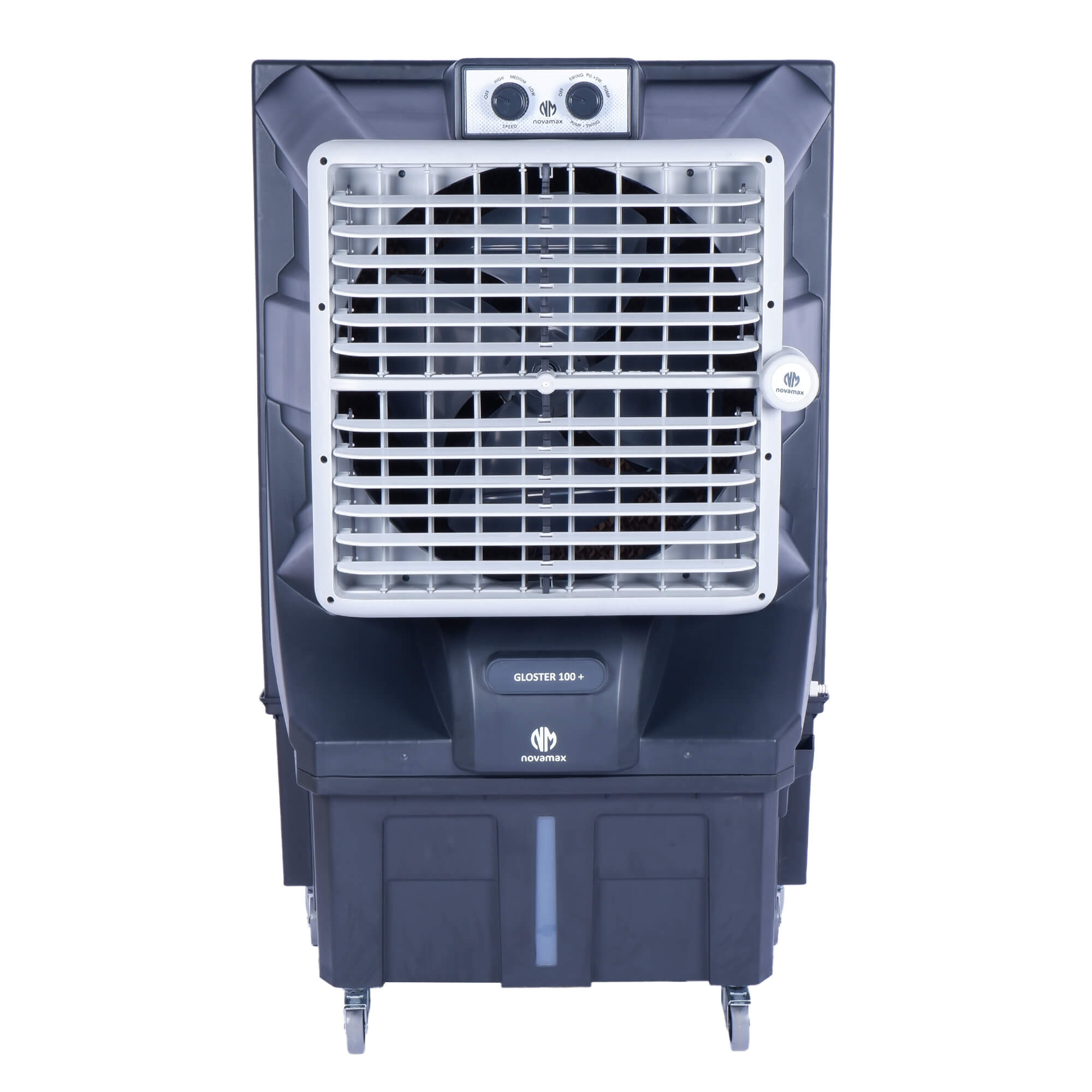
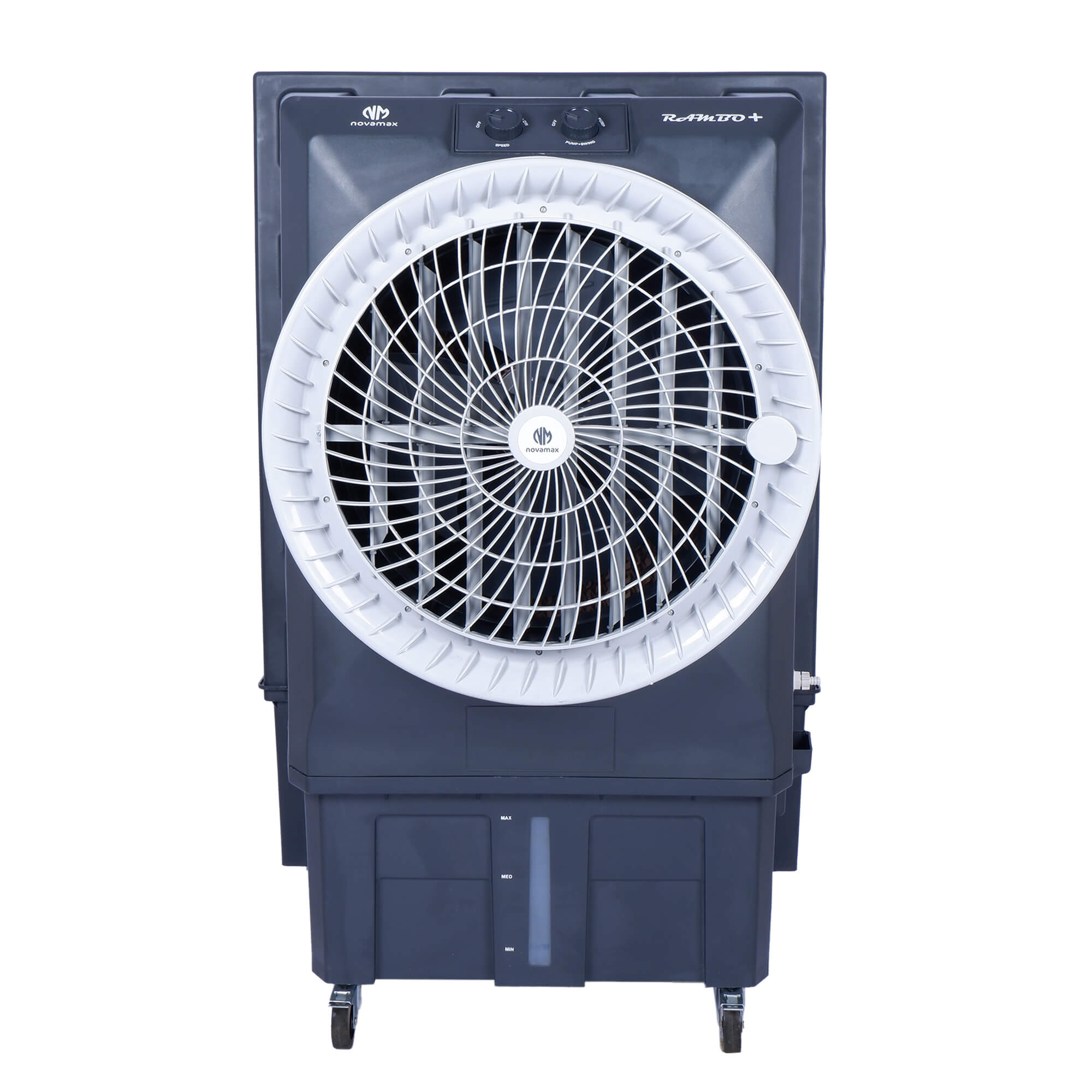
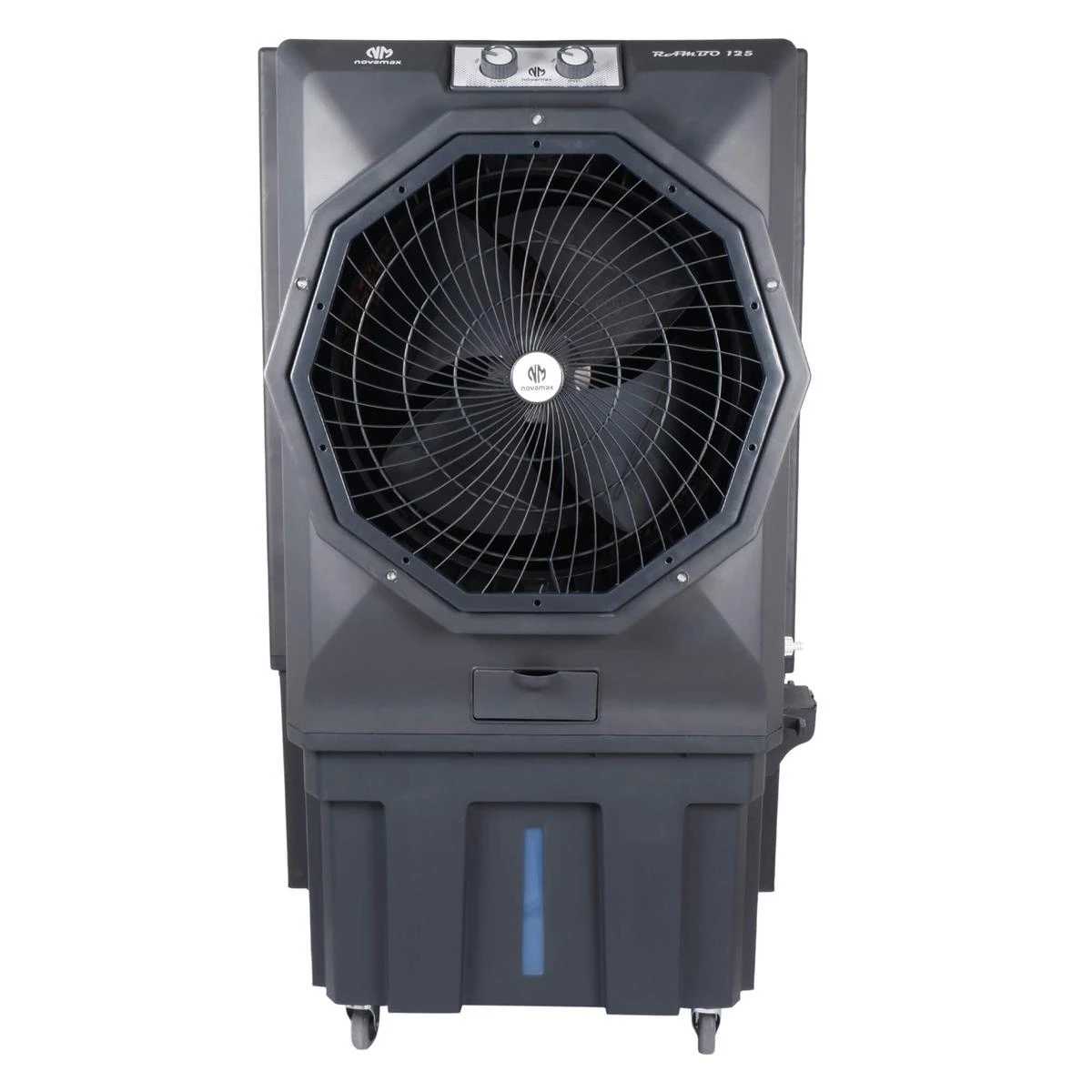
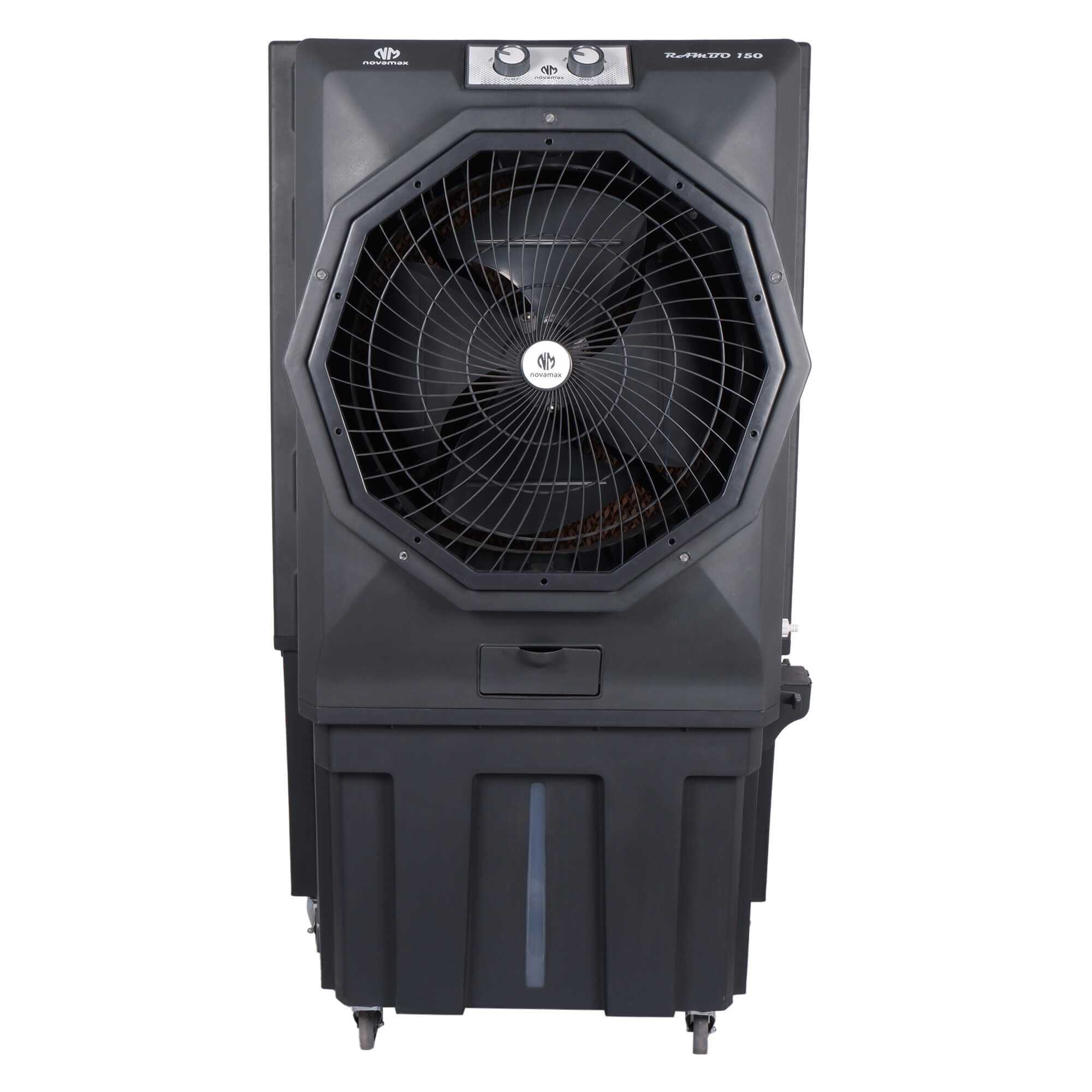
Explore Our Products Range

Our Keywords

Contact Info
- Address: B-11, Site-B, Surajpur, Industrial Area, Greater Noida, Uttar Pradesh – 201306
- Customer Care: +91-9258586060, service@novamaxindia.com
- Business Related Email: info@novamaxindia.com